
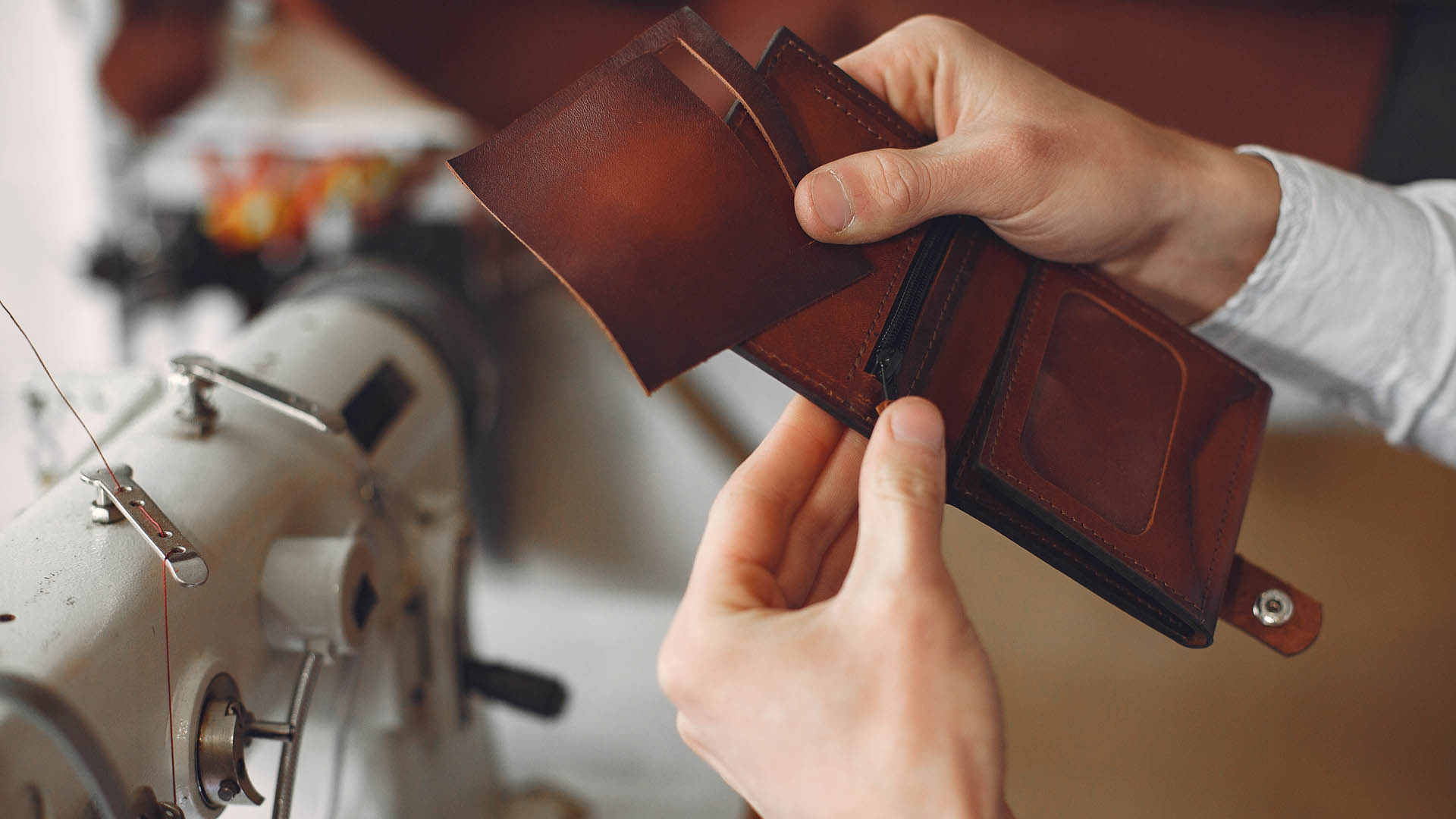
Investing in a quality leather product means owning a piece that can last a lifetime, or even longer. Whether it's a handbag, jacket, wallet, or pair of shoes, leather products can age gracefully if they are properly cared for. With time and the right maintenance, leather not only retains its beauty but also develops a rich patina that enhances its character. In this post, we’ll share essential tips on how to care for your leather items to ensure they remain in excellent condition for years to come.
1. Clean Regularly (But Gently)
Cleaning your leather goods on a regular basis is key to keeping them in pristine condition. Dust, dirt, and oils from your hands can accumulate on leather over time, dulling its appearance.
How to Clean:
- Dust Off: Use a soft, dry cloth or a gentle brush to remove surface dust and dirt. Do this frequently, especially if the item is used daily.
- Mild Cleaning: For a deeper clean, use a damp cloth with mild soap or a specialized leather cleaner. Make sure to test the cleaner on a small, hidden area first to ensure it doesn’t cause discoloration. Gently rub the surface and avoid soaking the leather.
Important Tip: Avoid using harsh chemicals or alcohol-based cleaners, as they can dry out the leather and cause cracking.
2. Condition Your Leather
Leather, much like our skin, needs moisture to stay supple and prevent it from drying out. Over time, leather can lose its natural oils, making it more prone to cracking. Conditioning helps restore these oils and keeps the leather soft and smooth.
How to Condition:
- Choose the Right Product: Use a high-quality leather conditioner designed specifically for the type of leather you own (e.g., smooth leather, nubuck, suede). Avoid using household lotions or oils, as they can clog the leather’s pores.
- Apply Sparingly: Apply a small amount of conditioner using a soft, clean cloth. Rub it gently in circular motions, allowing the conditioner to absorb into the leather. Let the leather air dry completely before using it.
How Often: Depending on the climate and how often the item is used, conditioning should be done every 3-6 months, or whenever the leather starts to feel dry.
3. Protect from Water and Moisture
While leather is a durable material, it is not fully waterproof. Exposure to excessive moisture can cause stains, warping, and damage to its texture.
Waterproofing:
- Consider using a leather protector or water-repellent spray to create a protective barrier against moisture. Be sure to choose a product suitable for your specific type of leather.
- Apply the spray evenly, holding it about 6-8 inches away from the item, and allow it to dry before use.
What to Do if Leather Gets Wet:
- If your leather product gets wet, gently blot (don’t rub) it with a clean, dry cloth to remove excess water. Then let it air dry naturally, away from direct heat sources like radiators or sunlight, as heat can cause the leather to become stiff and crack.
4. Store Leather Items Properly
Proper storage plays a major role in maintaining the shape and quality of leather products. Improper storage can lead to deformation, wrinkles, and even mildew.
How to Store Leather:
- Avoid Plastic: Never store leather in plastic bags, as they trap moisture and can cause mold growth. Instead, store items in breathable fabric bags, such as cotton dust covers.
- Stuff for Shape: For bags and shoes, use soft tissue paper or a dust bag to stuff the interior and help maintain their shape.
- Keep Away from Direct Sunlight: Prolonged exposure to sunlight can fade and dry out leather. Store leather items in a cool, dry place, away from direct light and heat.
For Jackets: Use wide, padded hangers to prevent stretching or misshaping the shoulders. Avoid hanging heavy leather jackets on thin wire hangers, which can leave indentations.
5. Treat Stains Promptly
Accidents happen, and leather can sometimes fall victim to stains from oil, ink, or food. The key to handling stains is to treat them quickly and carefully.
Handling Different Stains:
- Oil or Grease: Blot the area with a dry cloth to absorb as much oil as possible. Sprinkle cornstarch or talcum powder on the stain and let it sit for a few hours before brushing it off gently.
- Ink: Use a leather-safe ink remover or rubbing alcohol sparingly. Dampen a cotton swab and gently dab the stain, but avoid scrubbing. Follow up with a leather conditioner to restore moisture to the affected area.
- Water Stains: For water spots, use a damp cloth to lightly moisten the entire area around the stain, then let it air dry evenly.
Important Tip: Always test cleaning products or home remedies on an inconspicuous area first to avoid further damage.
6. Avoid Overloading Leather Bags
Leather, especially when softened over time, can stretch if overfilled. To prevent your leather bags from losing their shape or handles from becoming damaged, avoid carrying excessively heavy items inside.
Tip: Organize the contents of your bag and use compartments to evenly distribute the weight. This will not only maintain the bag’s shape but also extend the life of the handles and stitching.
7. Professional Care for Long-Term Maintenance
Sometimes, professional help is the best option. If your leather item suffers from severe stains, scratches, or wear, take it to a professional leather cleaner or cobbler. They have the tools and expertise to properly restore your leather product and extend its lifespan.
Conclusion: A Little Care Goes a Long Way
Leather products are a timeless investment, but they require proper care to maintain their beauty and functionality. By following these essential tips, you can ensure that your leather goods stay in great condition for many years, becoming treasured pieces that only get better with age.
At Drocha, we believe that every leather item deserves the utmost care. That’s why we offer not only high-quality leather products but also the guidance you need to keep them looking their best.